Built for ideas, not overhead
Anyone can come up with a trading idea, but few test it properly. PTQ runs the stress tests your strategy has to survive.

Complete professional testing
No shortcuts. Your strategy goes through every step a professional would put it through.
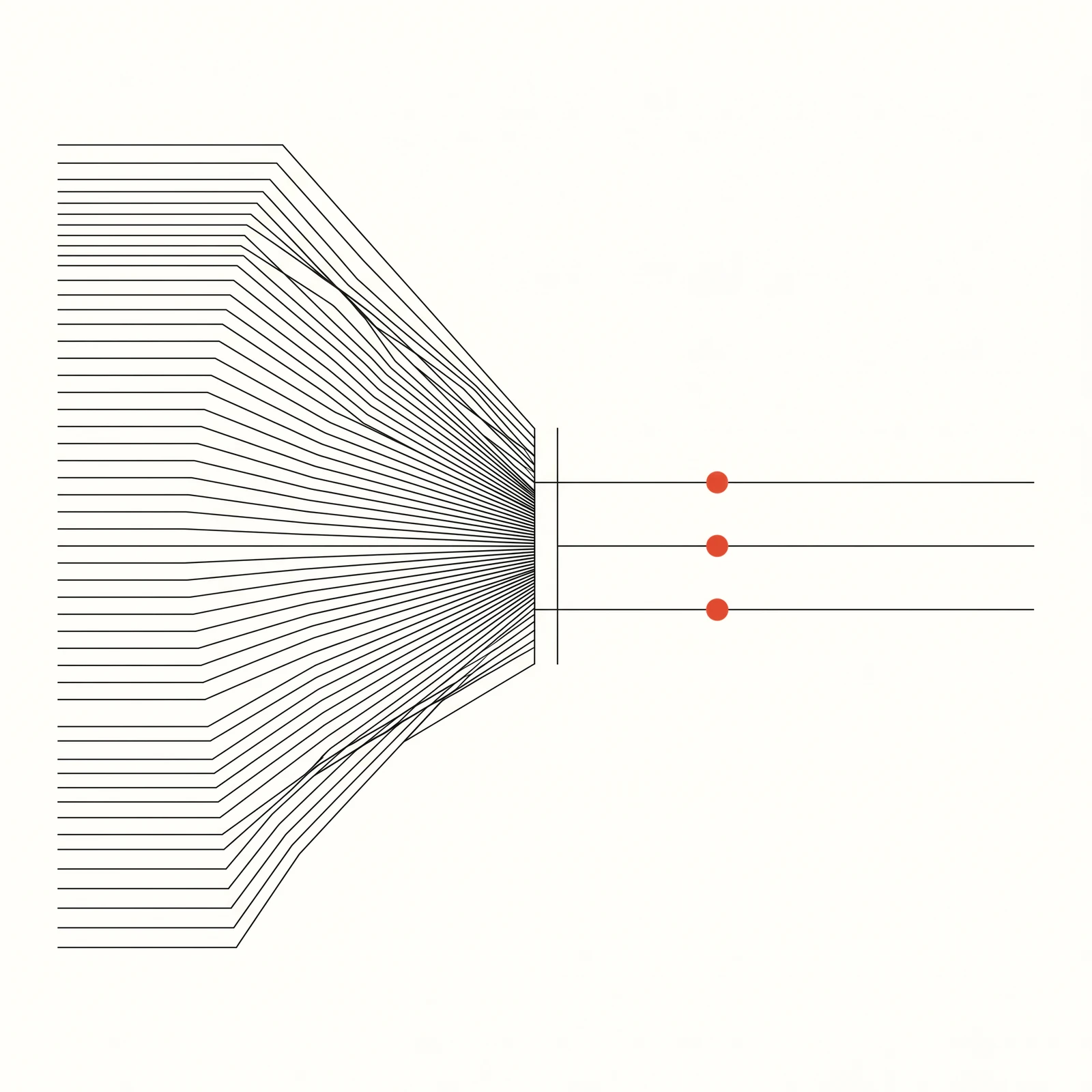
Step 01
Write it down
When to buy, sell, size and exit, in plain English. No code.
PTQ checks each rule against your risk limits as you type.

Step 02
See the evidence
Test it on real past market data, not memory or guesswork.
If a rule has a flaw, the test fails. An unrealistic test is worse than none.

Step 03
Separate luck from edge
Three statistical checks ask whether your result was luck.
Most strategies fail here, even the ones you feel sure about.

Step 04
Watch it work
Strategies that pass run on fake money at real-time prices. None of your money is involved.
Every order is labelled simulated, so you never mistake it for live trading.

Step 05
Trade it through your own broker
Live orders go from the PTQ app on your computer to your broker, with your own keys, after your risk limits and arm step. The browser and Claude never place a live order.
Disclaimer: Live execution is experimental and has never been tested against a live venue. PTQ's orders have so far been tested on Alpaca's paper account. Start small.
Why you can trust the verdict
Each test comes from published research, and every run shows its working.
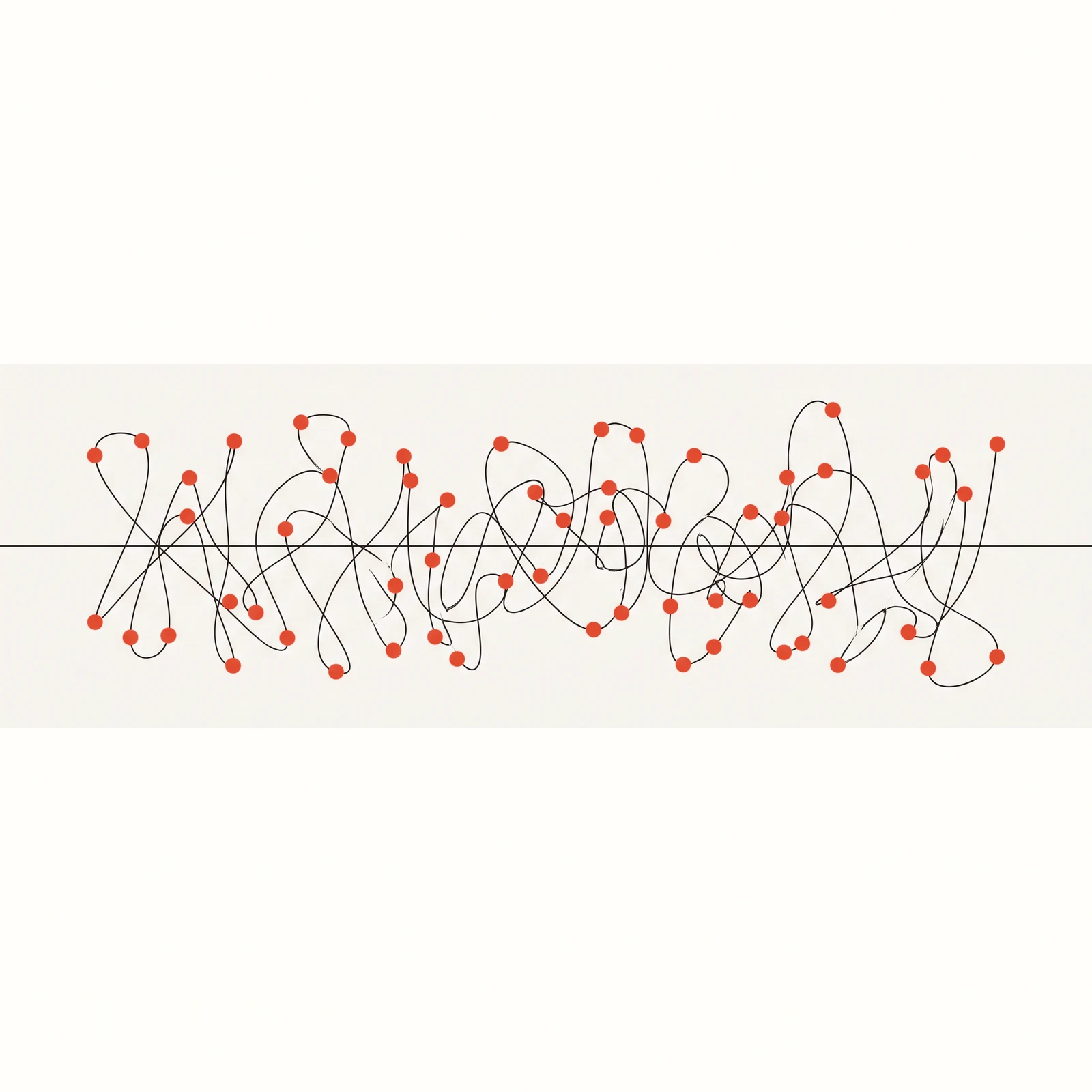
Test enough versions and one looks brilliant by luck. This estimates the odds that yours is that fluke.
Probability of backtest overfitting
Bailey, Borwein, López de Prado & Zhu, Journal of Computational Finance 20(4), 2017.
A raw backtest score ignores the versions that failed. This one corrects it for how many you tried.
Deflated Sharpe ratio
Bailey & López de Prado, Journal of Portfolio Management 40(5), 2014.
PTQ hides part of the history while you build, then scores your rules on data they never saw.
Out-of-sample holdout
Standard practice; the split is shown on every run.
It runs in your browser, and in your Claude
Sign in and everything is there: the builder, backtests, validation, practice trading and the research loop. Nothing to install.
Or connect Claude to your licensed PTQ account and do all of it from there.
PTQ is proprietary hosted software. The subscription does not include a downloadable full engine. Live orders go only from the PTQ app on your computer.
Five things it will not do
- Not a signals service. PTQ never tells you what to trade.
- Not financial advice. It is software with no opinion on markets.
- Not a bot marketplace. You cannot buy or rent anyone else's strategy.
- Not a broker. Your trading funds stay in your own brokerage account.
- Not a performance promise. We measure historical logic, never future returns.